Saturday, September 20, 2014

Discovery of a new protein to aid arthritis treatment


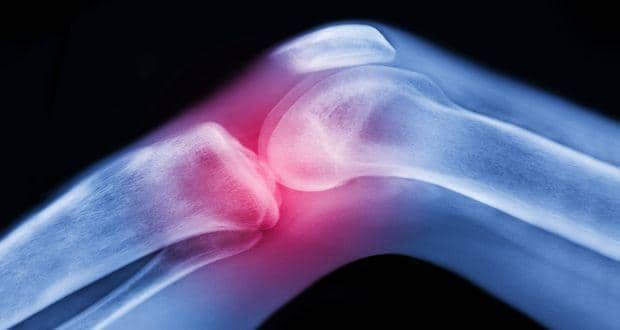
To offer a better treatment option for arthritis patients, researchers have found that a small protein appears to protect against bone loss that often accompanies arthritis. The researchers are now interested to see if Glucocorticoid-induced leucine zipper (GILZ), which is produced naturally in the body, can prevent arthritis from developing in the face of inflammation.

Arthritis as well as ageing prompt the body to make more fat than bone. ‘We have early evidence that GILZ might one day offer a better treatment option for arthritis patients than widely used synthetic glucocorticoids, which actually increase bone loss,’ said Xingming Shi, a bone biologist at the Georgia Regents University in the US. Directly over-expressing the protein appears to better target sources of bone loss and inflammation and avoid the serious side effects associated with glucocorticoid treatment.

For this study, the focus was tumour necrosis factor alpha, a pro-inflammatory cytokine (small protein) that helps regulate immune cells and is a major player in arthritis. To look specifically at the impact on bone loss, the researchers crossed mice bred to over-express tumour necrosis factor alpha throughout the body with mice that over-expressed GILZ in stem cells.

‘While the mice that over-expressed only tumour necrosis factor alpha quickly developed arthritis along with significant bone and weight loss, those that also over-expressed GILZ had significantly less bone loss,’ Shi said. Their findings are scheduled to be presented at The American Society for Bone and Mineral Research 2014 Annual Meeting during Sep 12-15 at Houston in the US.

How arthritis pain different from other pains?

Joint pain is the characteristic feature of arthritis. But this symptom often is ignored initially because people mistake joint pain as a sign of overexertion or old age. They either pop a painkiller or apply some balm, spray to get temporary relief. Ignoring joint pain due to arthritis can lead to complications and can further worsen your condition. Here are some signs that can help you to differentiate general joint pain from pain due to arthritis.

1. Stiffness in morning: One of the hallmark signs of early onset of arthritis is morning joint stiffness that lasts for 30 minutes to one hour. Initially stiffness decreases with increased movement as the day progresses. But as the condition progresses, stiffness lasts for a longer time with increased period of inactivity.

2. Minor tenderness and joint swelling: Inflammation is a characteristic feature of arthritis. Inflammation causes the joints to become tender. Mild swelling is seen around the affected joint which subsides as the inflammation reduces.

3. Pain on touching: Due to swelling and inflammation, the affected joint becomes painful. Pain can be excruciating, burning or radiating. Often the swollen joints may turn sensitive and start paining with a mere touch.

4. Reduced range of movement (ROM): Every joint can be moved to a defined limit through bending and stretching. This is called the range of movement that helps us to perform our daily activities. In early stages of arthritis, this range of motion gets affected. Due to stiffness and swelling, you may find it difficult to bend or straighten your joints normally for performing daily tasks. The ROM may be reduced for one or more joints.

Source - thehealthsite.com/news/new-treatment-on-the-horizon-for-arthritis

Friday, September 12, 2014

Beneflex

What is Beneflex?
Beneflex is the recent in innovative nutritious analysis. A new, high quality joint system in a single small, really targeted capsule. Beneflex offers 4 clinically verified inngredients: AprèsFlex® - Boswellia Serrata Extract. UC-II® (offering 10mg undenatured type II collagen). Additionally Hyaluronic Acid and Turmeric for additional joint pain relief. Find joint pain relief beginning in barely a single week using this brand new one supplement, once per day system.

Effective ingredinets of Beneflex
Beneflex's components appear to have been clinically known to help with minimizing joint pain and enhancing the overall flexibility of joints. For example, ApresFlex (Boswellia serrata) was found to be an efficient remedy for osteoarthritis of the knee whereas hyaluronic acid is furthermore supposed to essentially eliminate pain in issues afflicted with similar problems. Different from several joint health supplements that demand customers to bring them for a considerable time period before they are able to get pleasure from the promised benefits, Beneflex is known to be effective in as little as 1 week . A single Beneflex capsule should have to be taken every day to be able to offer these kinds of promised benefits. Scientific researches carried out instantly on Beneflex tend not to seem to have been accomplished during the time of this review.

Does Beneflex Really Work?
You can see just release from joint pain in one week. That’s exactly what Beneflex shows promise of being! However if you would like to make certain you’re never seriously affected from any kind of uneasiness ever again, health professionals let you know that you ought to supplement your efforts with the healthy diet and exercise. By doing this, your own body receives the other forms of vitamins and minerals that raise overall wellness as well as fitness. The more important is, exercise boosts bones together with muscles. In case you’re careful with this modern lifestyle change, you possibly will not require any specific health supplement anymore.

Does Beneflex show Any Side Effect?
The components utilized in Beneflex are meant to be very helpful as compared to the conventional glucosamine and chondroitin. Supplements that can make usage of both of these components normally take 2-3 weeks to perform.
Beneflex, conversely, succeeds in as short as a week. Thus, this really is suitable for people who require the fast and effective solution. All you have to do is consume capsule per day to experience the positive aspects. As for harmful results, there is apparently simply no revealed situations readily available.

Pros
  • It is easy to swallow
  • It is really an effective one
  • It is easy to take

 Cons
  1. This product is too pricy

 Customer testimonials
When I first rec'd my trial bottle of 14 pills, I was really skeptical that this product would really work. It took the whole 14 pills to finally get into my system. Then after that I finally had no pain what so ever, but then this product wasn't even being sold in the GNC stores like the advertisement had stated. So my pain came back, I had to go to Amazon.com to order a supply.
Source: amazon.com

I have had pain in my hands and wrists for years due to my work as a dog groomer. I have tried many things to get off Ibuprofen and this has been perfect. Glucosamine & Chondroitin actually made my pain worse. I'm very pleased.
Source: gnc.com

I am not sure it is helping me at this time.... maybe it requires longer than a month to make it work... I plan on trying another 30 days before I give up though.
Source: amazon.com

Pain is gone - I suffered from constant knee, hand and back pain. I experienced almost instant relief from the pain, within four days. I can once again walk stairs without pain. Getting out of bed in the morning was a problem; it took a while for the joints to start moving. All that it is in the past. I've been taking Beneflex for two months and couldn't be happier with the results.
Source: gnc.com

Warning
It would be great to use this supplement only as directed. It is required to consult a health care practitioner before consuming this pill if you are pregnant or nursing. It is for adult use only.

Bottom line

Beneflex tends to make impressive offers, however probably its most desirable elegance is the advertised risk-free trial. Although scientific research has been carried out on ingredients in Beneflex, simply no these kinds of research studies have performed on the total Beneflex formula. For the reason that the quantities of each ingredient in Beneflex are not mentioned on the product's website, it is not possible to determine the possibility of the effectiveness of these components within the total Beneflex formula. Furthermore, this is a comparatively highly-priced joint health supplement, as well as the fact that obtaining it enrolls customers in a monthly automatic shipping/billing program is aggravating. Over-all, although Beneflex's risk-free trial offer tends to make it sound captivating, extra things with this particular health supplement result in it to be a lower than most suitable supplement for managing joint pain.

Where To Find It

Best Deals and Pricing Available at Amazon.com

Wednesday, September 10, 2014

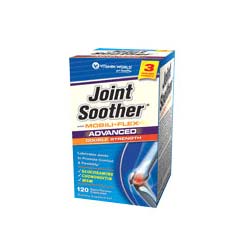
Joint Soother

What Is Joint Soother?
Joint soother is certainly one among the essential joint supplements. Cartilage support in joints is the most the vital in owning healthy joints. And the herbal extracts and components in joint soother supplements allow you to getting rid of joint discomfort. Here you may get the details about the health advantages, treatment plan, ingredients and negative effects of joint soother. It is being used generally in alleviating pain, eliminating the inflammation in the body along with the joint issues such as Arthritis and Fibromyalgia.

Joint soother is supplied in the market by 2 manufacturing companies. One is made by the providers called Vitamin World while the other is made by the provider Puritan's Pride. Nevertheless the bunch of components used by the both of these organizations is identical. So you can consider both of them are linked to same manufacturers. In further more investigation learned that both of them are different companies with no connections to each other with the exception of owning the same ingredients in the supplement joint soother. Now, you may have a question of, which company product should purchase? As both the product components are same it doesn't concern in result. However you readily choose the company which is more reliable in the market. Then reasonably Vitamin World Company is the reputable and also possesses a very good rating in the market.

Vital Ingredients Of Joint Soother
Joint soother consists of 3 main ingredients together called Glucosamine, MSM and Chondroitin, thus it is called as double strength or triple strength or advanced double strength or advanced triple strength formula. Here are detailed info:

Glucosamine: The amount of Glucosamine is 1500 mg. It promotes in allowing strength to the cartilage and also lubricates the joints by boosting the synovial fluid in the joints. It cuts down the joint stiffness, joint soreness, and tenderness in addition to joint pain.
Chondroitin Sulfate: The amount is 800-1200 mg. It decreases the damage in the joints to minimize pain also consequently boosts the flexibility in the joint function.
MSM: The usage is 1500-6000 mg. It offers much better physical functioning and decreases the joint pain.
Boswellia Serrata: The usage is 600-900 mg. It improves the joint flexibility to diminish the joint pain.
Citrus Bioflavonoid: The usage is not suggested. It forms the antioxidants and reduces the inflammation in the body. And hence diminishes the joint damage and makes free from pain.
Collagen: The usage is 1200 mg. It subdues the wear and tear in the joints and enhances the convenience of joint movements.

So How Exactly Does IT Work?
There are no such customer reviews available on website that show too much side effects. This supplement is safe and effective to use as it consists of all natural and safe ingredients. It helps to get relief from the joint pain and improves the joint functionality with its mobility and flexibility.

Pros
  • Product consists of top quality ingredients
  • Product comes from a well-known company named Vitamin World
  • Product is available in retail stores also
  • Glucosamine and Chondroitin are clinically tested ingredients
  • As per the website, discounts are available


Cons
  • They does not provide any money back guarantee
  • Product is unable to provide instant relief
  • It requires long-term use for better results


Customer Reviews
I have tried other problems for joint pain - nothing worked - until now. These were recommended to me by a friend - wow, what a product! I have not had any joint pain since I have taken these and I was in pain for over a year! I highly recommend this product.
Source: amazon.com

My biggest complaint is that the size of the product tablet is just too large. One can almost get choked when swallowing these pills. I even halve them and they are still a problem.
Also a pretty expensive product. I just hope the results are worth it in the end.
Source: vitaminworld.com

I have been using this product for several years now and it works my joints luv this stuff I can feel the difference went I don't use it. I try not to be without it.
Source: amazon.com

Last Words
However there are lots of joint supplements available in the marketplace which provides effective and safe results, there were no strong points to buy and use this capsule. It might be possible to show results in treating the joint pains. It would be better to go with the product reviews before ordering it.

Any suggestions are always welcome! 

Where To Find It

Best Deals and Pricing Available at Amazon.com

Monday, September 8, 2014

Flexamin

What is Flexamin?
Flexamin Triple Strength nourishes and additionally provides support for joints. When it comes to put into use on a daily basis, Flex-a-min Triple Strength provides long lasting nutrition for your joint cartilage, specifically for joints which may be frequently stressed out from on a regular basis wear and tear, such as the knees. Individual's Results May Differ. This product is not designed to detect, deal with, get rid of or prevent any disease.

Key ingredients
Flexamin contains the usual suspects such as shellfish derived glucosamine, chondroitin, MSM, vitamin-D, and hyaluronic acid. Additionally, they use some non-traditional compounds for arthritis such as Chinese skullcap for dealing with inflammation. The hyaluronic acid in the product also provides a cushioning benefit to the joints, helping to lubricate and improve mobility.

There are a total of 4 different formulas readily available to the public:
Flexamin Complete
Flexamin Super Glucosamine 2000 Plus
Flexamin Triple Strength Bone Shield Formula
Flexamin Triple Strength Joint Health.

Product features
  • It is Easy to swallow
  • It aids to Nourish Joints
  • It also aids to Maintain Bone Mass and Strength
  • It is Gluten free

How Does It Work?
Flexamin claims to nourish the joints and promotes healthy cartilage formation. This easy-to-swallow tablets are demanded to offer joint relief and flexibility by lubricating the joint. Thus helps to nourish bone health and strength.

Flexamin Strengths
  • This diatery product contains Glucosamine and Chondroitin.
  • The Website of Flexamin provides contact information.
  • According to the website, Flexamin doesn't require a prescription.
  • The Companies delivers complete info about each and every ingredient.
  • Flexamin is available in different formulas for specific joint issues.

Flexamin Weaknesses
  • Flexamin is unable to purchase on the company's website.
  • As per companies website the product Ingredients have been studied, but no actual clinical studies are given to the website.
  • There are no customer reviews of Flexamin on the website.

Customer Testimonials
Great comments. I tried many expensive things with little results. And consulted many experts. The orthopedic surgeon and PT I paid handsomely told me no supplements would help my runner's knee and pain from a deteriated minscus. They were wrong. I asked pharmacist for advice and this was their recommendation. It is great and I feel normal again with no knee pain.
Source: amazon.com

Thanks for your comment I actually ordered already Osteo-BiFlex but I did notice that it contains also shell fish so how come it is any different? I am concerned cause my mom whom I am buying this for has allergy from certain types of medication (for example omega 3 derived from slamon fish) and I used to get her joint soother by vitamin world but it is way too expensive now so I am trying less expensive options..
Source: amazon.com

I began taking this product about 2 months ago for a bad knee and I saw a tremendous improvement withing 10 days. By the time I got through the first bottle I noticed a 90% improvement in my hip that my medical doctor suggested I see an orthopedic surgeon for. I was very surprised in the hip improvement and the pain in it was so great that when changing positions during the night the pain would wake me up. The second bottle I tried was a new formula containing Uvestin and this did not do anything. In fact, it was as if I had never taken anything. I went back to the first formula and have bought up a 2 years supply because it's getting hard to find.
Source: drugstore.com

I have very bad arthritis in my right knee, and moderate arthritis in most of my joints. This product was recommended by a check-out clerk, after we'd been discussing our aches and pains. She told me that after taking this product for a few days, the pain in her knees went away. She went back and got me a bottle of Flex-A-Min Triple Strength Joint Flex formula. I bought the bottle and within two days my knee stopped hurting. After two more days, all of my joints were functioning without pain. I don't remember a day without arthritis pain. This by far, has reduced my pain beyond any of the prescription medicines I've used. I have been so pleased with it, that I've just purchased a bottle of my older sister to try. Thank you so much for carrying this supplement. I look forward to many years of better joint health using it. Sincerely.
walgreens.com

Final Verdict
Flexamin may only recover the joint pain linked with osteoarthritis. Its helpfulness in people suffering from joint pain not caused by this condition is unclear. Although all the ingredients in this product are listed on the website, you will not found any customer reviews on site.

Wednesday, August 20, 2014

Natural Ways To Beat Depression

Depression has been in the news a lot recently with the untimely death of world renown and beloved comedian, Robin Williams.

I, like so many others of my generation grew up watching the whirling dervish of comedy, Mr. Williams, captivate in many of my most favorite childhood films, from “Mrs. Doubtfire” to “Hook” and later as I grew up in tremendously moving performances such as “Good Will Hunting” and “Dead Poet’s Society”. So how does someone who by all accounts has so much to be grateful for – money, celebrity, wife and children- find themselves in such a state of desperation? The not so simple answer is – depression.
All news vehicles cite depression as one of the main causes for Robin Williams’ suicide, and thus it has brought an issue that is often dealt with in private into the public eye and consciousness. Depression is a mind disorder that is defined as:


Robin

I loved him so much. Robin Williams

Depression affects everything in your life from how you perform at work to the quality of your relationships.You see, when you are feeling blue, it colors your world and everything in it. Things, people and activities that once brought you great joy and delight can no longer elicit those same feelings. Motivation to participate in them and in life in general can be hard to find, and thus you can withdraw into a pool of sadness.

If I seem to be speaking rather intimately about depression it is because I have throughout the course of my life struggled with bouts of it as I am certain many of you have. Sometimes depression is happening because of a tragic or life-altering event like when my only brother, Nimrod, was killed, and at other times it seems to come completely out of left field because of completely unexpected reasons. Regardless of the reason for your current state of depression, there are some simple changes you can make without drugs that can actually alter the chemistry of your brain to boost your mood and prevent falling into further depths of depression.

  1. Get enough sleep: The brain and the overall health of your body are directly linked. When we are physically run down and are not nurturing our bodies in the most basic of ways, our mind follows suit and begins to fray which can bring on depression and low mood. One of the easiest ways to re-set your mind is to ensure your body gets the proper amount of sleep, which is thought to be between 8-10 hours of sleep a night.
  2. Avoid Sugar: Researchers from 6 countries found a direct link between sugar consumption and depression. For example have you ever gone on a sugar binge where you consumed several sugary treats and felt a jolt of energy, only to find a couple hours later that you felt exhausted and moody. Well there is a reason for that. What goes up, as they say, must come down. Sugar affects body chemistry so if you are noticing a drop in your mood, it is a good idea to cut back and cut out sugar.
  3. Brain Booster Foods: Just as it is good to reduce sugar intake, it is also a good idea to incorporate Brain Boosting foods. Upping your intake of leafy green vegetables and fruits, while also making sure to eat Omega 3 fatty acids (from fish like Wild Salmon) and other healthy proteins (Chia seeds, lean meats etc.) has been scientifically proven to help with depression. Vitamin D3 has also been shown to have a great impact on mood and often people who struggle with low mood are found to be deficient in Vitamin D. Thus you should take a daily supplement of Vitamin D and Omega 3 rich Fish Oil to naturally boost your mood.
  4. Move Your Body: You’ve probably heard this before, but it’s absolutely true. Exercise is linked to a better mood. The reason being that moving your body, and getting between 30-60 minutes daily, boosts levels of Seratonin and Dopamine in the Brain and has been proven to have the same benefits (and none of the side effects) as Anti-depressants.
  5. Connect With Friends and Family: The natural tendency when you are feeling depressed is to withdraw from the world and the people you love, or conversely depression can come on as the result of being disconnected and isolated from people you love and your community. We live in a feeling universe and by nature we are social beings. While it may seem counter-intuitive to your current low mood, the act of connecting and forcing yourself to go out and be among friends and family that love and support you is a great method for treating depression.
  6. Accentuate The Positive: As I’ve already mentioned, for a depressed person it is very challenging to see the good in their life or in the things around them. While at first this activity might seem ineffective, starting small and acknowledging even the small ways in which things are going well for you can trigger a positivity domino effect and thus ward off feelings of depression. Start small, perhaps you are grateful for the beautiful day you can get out and enjoy on your bike, or a compliment you received at work for your performance, look for the good and hold onto it no matter how small.
  7. Avoid Drinking and Drugs: Unfortunately drinking and drugs are two of the most common ways people with a mood and brain disorder such as depression use to cope. The problem is both of these methods are not only a slippery slope to addiction but they are also depressants. While you may think you are numbing the pain of continual low mood, you are actually self-medicating yourself into a worse mood and one that you will have much more difficulty repairing.
  8. Seek Help: While all of the methods I’ve listed are extremely effective and free, I do want to address the fact that sometimes it is important, as was the case with Robin Williams, to seek outside professional help such as a therapist or support hotline when you cannot shake your depression. There is absolutely nothing wrong with you for needing the support of a therapist, and if necessary antidepressants, they are simply more advanced tools to help you get through a difficult time and back on your feet. The important thing to remember is you are not alone, depression does pass, and it is empowering not weak to take the steps necessary for a full recovery.

Source - mentalizer.com/brain-boosters-natural-ways-beat-depression.html


Wednesday, August 13, 2014

Osteoarthritis or Rheumatoid Arthritis: Which Kind Do You Have?

Do you wake up in the mornings with stiffness in your hands or your feet? Are your knee joints warm and swollen? Do they get worse when it rains?

Do you look at your older relatives and see that they have the same problems, or that their pain has gotten worse as they got older?

You probably identified this as arthritis. The question is, do you know whether you have rheumatoid arthritis or osteoarthritis?

It might not seem like an important distinction but it is. Understanding the differences can help you have a better conversation with your health care provider and get the right treatment more quickly.

Since these are two different types of diseases, the diagnosis criteria and treatment options are different. Let’s understand them better.

Osteoarthritis arthritis defined
Osteoarthritis is the most common type of arthritis. This occurs when there is deterioration of the cartilage that lines the tops of your bones in the joint area. It tends to occur in the hands, neck, back, knees and hips.

Typical symptoms may be pain or tenderness in the affected joint. In the morning you might experience stiffness when you first get up for about 20 minutes, then as you move around the pain will subside.

You might lose full range of motion in the joint over time. Extra small bits of bone creating hard lumps in the area of the joint are called bone spurs.

There doesn't seem to be symmetry, or pain in the same joint on both sides of the body, because this type of arthritis is due to wear and tear on the particular joint.

Rheumatoid arthritis defined
Rheumatoid arthritis is an autoimmune disease that causes inflammation and pain in the joints. In autoimmune diseases the immune system mistakenly attacks healthy tissue cause damage, pain and swelling.

The damage usually starts in the lining of the smaller joints like the fingers and the toes, and can progress to larger joints like the ankles, knees, elbows, shoulders and hips. Over time if the inflammation is not controlled, it will cause deformity and alteration of function in that joint.

There usually seems to be pain in the same joint on both sides of the body. Since it is an inflammatory disease there can be periods of “flare ups” and remission.

Think about your symptoms to identify which type of arthritis is plaguing you or runs in your family history.

Also be aware that it is possible to have both types of arthritis in the same area. Or you might have different types of arthritis in your body. For example you might have osteoarthritis in your knee because of an old sports injury, and rheumatoid arthritis in your fingers.

The better you can describe your symptoms to your health care provider, the more options you will have for treatment and relief from pain.

Source - empowher.com

Friday, August 8, 2014

Study Evaluates Risk Factors for Chronic Temporomandibular Joint and Muscle Disorders

Thousands of Americans this year will be diagnosed with a common disorder of the jaw area called temporomandibular joint and muscle disorders (TMJD, formerly called TMJ).  Because of the inherent biological complexity of TMJD, their healthcare providers will have no way to determine whether their patients will get better in time or battle chronic disease.

But research help is on the way.  Scientists affiliated with a large, seven-year study supported by the National Institute of Dental and Craniofacial Research (NIDCR), part of the National Institutes of Health, have published the preliminary results of the most comprehensive and systematic analysis to date of risk factors associated with chronic TMJD.  The findings are found in a special issue of the Journal of Pain, which now is available online to subscribers. 

These initial results from the Orofacial Pain:  Prospective Evaluation and Risk Assessment (OPPERA) study provide a voluminous body of high-quality data that confirms many previous discoveries and adds several new possibilities for risk.  These include:

  • In women, the risk for chronic TMJD increases between the ages of 18 and 44, the age range evaluated in the study.  Previous studies have suggested that the risk was greatest during a woman’s early childbearing years and decreased thereafter.  In young men (ages 18-44), age was unrelated to TMJD incidence.
  • Chronic TMJD incidence does not correlate with low socio-economic status.  This finding is in stark contrast to trends seen in other chronic pain conditions.  Socio-economic status, for instance, has been shown to have a profound effect on musculoskeletal pain, sciatica, ulcer, and neuropathic pain.
  • Chronic TMJD seems to be associated with alterations in some parts of the nervous system that control pain perception.  Researchers found that TMJD patients, when compared to healthy study volunteers, were much more sensitive to a variety of stimuli that evoke mildly painful sensations.  They also show elevated heart rate responses at rest and during mild physical and psychological stress.
  • Genetic variability contributes to chronic TMJD.  Researchers found that chronic TMJD patients had alterations in several genes, including some known to influence stress response, psychological well-being, and inflammation.  These findings may help to explain the origins of TMJD and provide new targets for drugs to treat chronic pain.
  • Several clinical findings also were reported.   TMJD patients frequently experienced many more chronic pain conditions, such as lower back pain, headaches, and fibromyalgia.  Evidence of abnormal jaw function associated with teeth grinding and clenching was also observed.  Future investigations will attempt to unravel whether grinding and clenching is a cause of consequence of the condition.

“These initial results from the OPPERA Study mark an important preliminary first step in providing a clearer, more definitive accounting of the risk factors associated with TMJD and related conditions,” said Martha Somerman, D.D.S, Ph.D., director of NIDCR.   “The OPPERA Study has a lot more data in the pipeline.  The next few years will be extremely interesting and should greatly improve the diagnosis of TMJD.”

TMJD is an umbrella term for a group of conditions that affect the area in and around the temporomandibular joint, or TMJ.  These two large, ball-and-socket joints connect the jaw to the skull on both sides of the head.  Common TMJD symptoms include:  persistent pain in the jaw muscles, restricted jaw movement, jaw locking, and abnormal popping and clicking of the joint.

It is not known how many people have TMJD.  But the main symptoms – pain and restricted jaw movement – occur in 5-15 percent of Americans and more frequently affect women.   Although some cases can be to linked physical trauma, in most cases the cause is unknown.

One reason that treatment can be so difficult is the chronic pain associated with TMJD results from a highly complex biological interplay.  The interplay involves myriad factors, ranging from the intricacies of pain transmission and its possible rewiring and overamplification en route to the brain to the complicating and frequent presence of other painful conditions, such as fibromyalgia and chronic fatigue, which mask or modify the symptoms of the TMJD.

With so many variables, some researchers have suggested that the best scientific entry point to examine TMJD is during its earliest stages, before the full-blown complexity of advanced disease clouds the investigative picture.  This thinking and progress in studying the basic biology of pain led to the launch of OPPERA in September 2005.  It marks the first-ever, large prospective (meaning, looking forward in time) clinical study of TMJD and, more broadly, a chronic pain condition.

The OPPERA Study involves four investigative units:  University of Florida in Gainesville, directed by Dr. Roger Fillingim; University of Buffalo-SUNY, directed by Dr. Richard Ohrbach; University of Maryland at Baltimore, overseen by Drs. Joel Greenspan and Ronald Dubner; and the University of North Carolina Chapel Hill, directed by Drs. Gary Slade, Eric Blair, Shad Smith, Luda Diatchenko, and William Maixner, who is also OPPERA’s program director.   Mr. Charles Knott, with the Battelle Memorial Institute in Columbus, Ohio, served as the director of the Data Coordination Center.

Investigators at the four study sites now have completed tracking 3,200 healthy male and female volunteers, ages 18-44, from three to five years.  As expected, a subset of approximately 200 volunteers developed their first bout(s) of TMJD, and researchers are currently analyzing the study data to determine the factors associated with the disease’s onset.

The publications in the Journal of Pain, however, stem from an associated but distinct baseline study at OPPERA’s launch.  In this investigation, researchers enrolled 192 individuals with chronic TMJD and 3,200 volunteers enrolled in the prospective study.  Both groups underwent state-of-the-art tests that evaluated comprehensively a range of biological, psychological, and genetic factors, another first for a large clinical pain study.

The results provided in-depth baseline profiles at opposite ends of the disease spectrum.  These profiles provide invaluable reference points from which to better evaluate the data from the longitudinal study.  But the chronic TMJD profile in particular charts fresh scientific ground.

“The profile offers the most quantitative and thus complete picture to date of who has chronic TMJD and who is at risk,” said Dr. William Maixner, the principal investigator of OPPERA and a scientist at the University of North Carolina.   “While the current results are preliminary, they should be of immediate value to practitioners who treat patients with TMJD.”

In addition to the new discoveries highlighted above, Maixner said he and his colleagues confirmed many previous findings in TMJD research and have placed them into a clearer conceptual context for further study.  Maixner noted that these findings have gone far to validate the broad conceptual model of TMJD causation that underlies OPPERA’s longitudinal study.  The model, like a compass to a traveler, predicts the route ahead in the development of a specific disorder.  In this case, Maixner and colleagues predicted that psychological distress and pain amplification are the two broad factors that contribute to the onset and persistence of TMJD.

“Within the broad headings of demographics, pain amplification, psychological distress, genetics, and life history of physical and psychological trauma lies a complex web of causation,” said Maixner.  “Our hope with the larger longitudinal study is to pull out specific factors within this web and also determine if there is interplay between them.  Whatever we learn likely will have an impact on the diagnosis and, hopefully, treatment of TMJD.”

Source - nidcr.nih.gov/research/ResearchResults/NewsReleases/PressStatements/ChronicTMJD.htm